 EN
 NL
Guide · Minerals
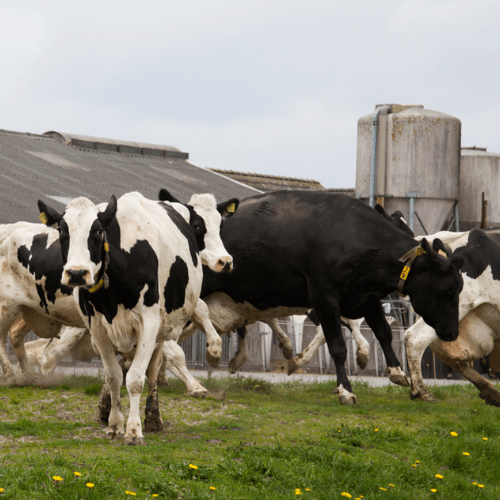
Grazing: keep a close eye on minerals
As soon as the cows go out to pasture, the ration changes immediately. Fresh grass is tasty and stimulates the rumen, but…


Many problems in dairy cattle occur at the start of the new lactation. The fresh cows do not start eating well, develop hoof problems or even go down. These problems can come from low feed intake, poor calcium balance, but also from a weakened immune system. The latter can come from a shortage of certain minerals and vitamins, especially in the dry period.
The dry period is meant to let the cow recover from the previous lactation and prepare for the new one. In this period the focus is not only on the cow, but also on the development of the unborn calf. The calf puts on well over half of its birth weight during the dry period. This demands a lot from the cow, while the cow herself is also in a ‘recovery phase’: the demand for important building blocks rises sharply.
These shortages are often not made up sufficiently, as the concentrate ration is minimal, or no minerals are fed, or they are not fully absorbed. These shortages can lead to transition diseases in the dam and to weak or stillborn calves.
A good dry period ration is the basis for a good transition period. It is well known that a low calcium level and sufficient magnesium are wanted in the dry period. But what about other vitamins and minerals?
Minerals and vitamins play an important part in the immune system. The shortages in dry cows are often seen in selenium and vitamin E levels. Vitamin E and selenium are important antioxidants and reinforce each other. It has been shown that giving vitamin E and selenium in the dry period results in:
Copper and zinc are also important in the dry period. They also act as antioxidants and play an important part in cell division and in the immunity of the cow and the calf. Vitamin A and β-carotene are also important for immunity: these elements reduce the risk of retained placenta, uterine infection and mastitis.
The diagram below lists the conditions with the matching mineral and vitamin shortages.
The Topro Dry mineral bolus contains the elements a dry cow needs. With boluses, uptake of these elements is 100% and the cow receives these essential minerals and vitamins for 60 days. This reduces the risk of transition diseases.
Also take a look at the results of the field trial here. Among other things, the Dry bolus led to higher eating and rumination activity in the dry period and in the first weeks after calving. The cows with a Dry bolus produced more milk from the first week up to and including 8 weeks into lactation.

As soon as the cows go out to pasture, the ration changes immediately. Fresh grass is tasty and stimulates the rumen, but…

In general, cattle on full grazing, cattle grazing in nature reserves and dairy cows that are not fed concentrates or extra minerals…
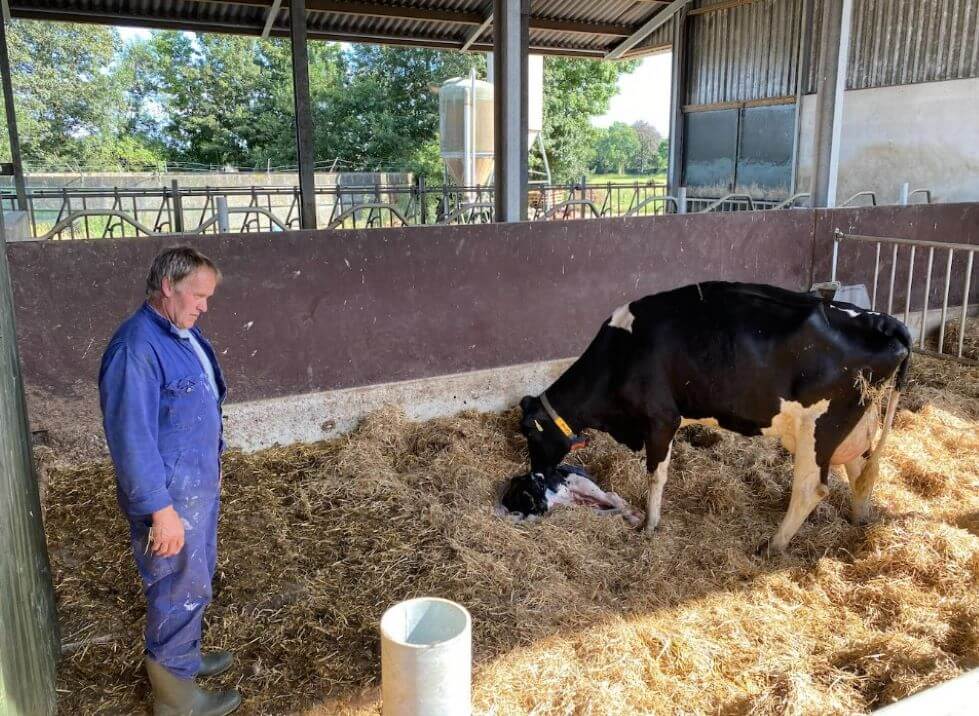
On Jan and Mark Rougoor's dairy farm in Sinderen, 80 cows are milked, plus the youngstock that goes with them. In recent…
Discover our new magazine “Farming Forward”, formerly known as “Cow Programme”. We have also added topics such as hoof care, hygiene and daily farm supplies.
Read the magazine

Cart

Your cart is empty.