EN
EN  NL
NL 

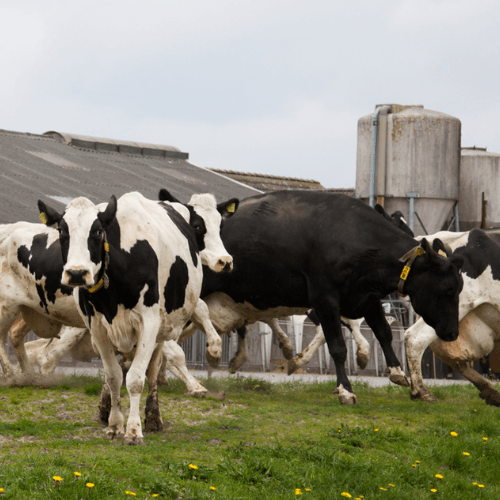
As soon as the cows go out to pasture, the ration changes immediately. Fresh grass is tasty and stimulates the rumen, but with less (or no) concentrate, a large part of the mineral and trace element supply also disappears. It is exactly these small nutrients that drive growth, resistance and fertility. That is why it pays to keep a close eye on the mineral supply at the start of the grazing season.
Why it can go wrong in practice
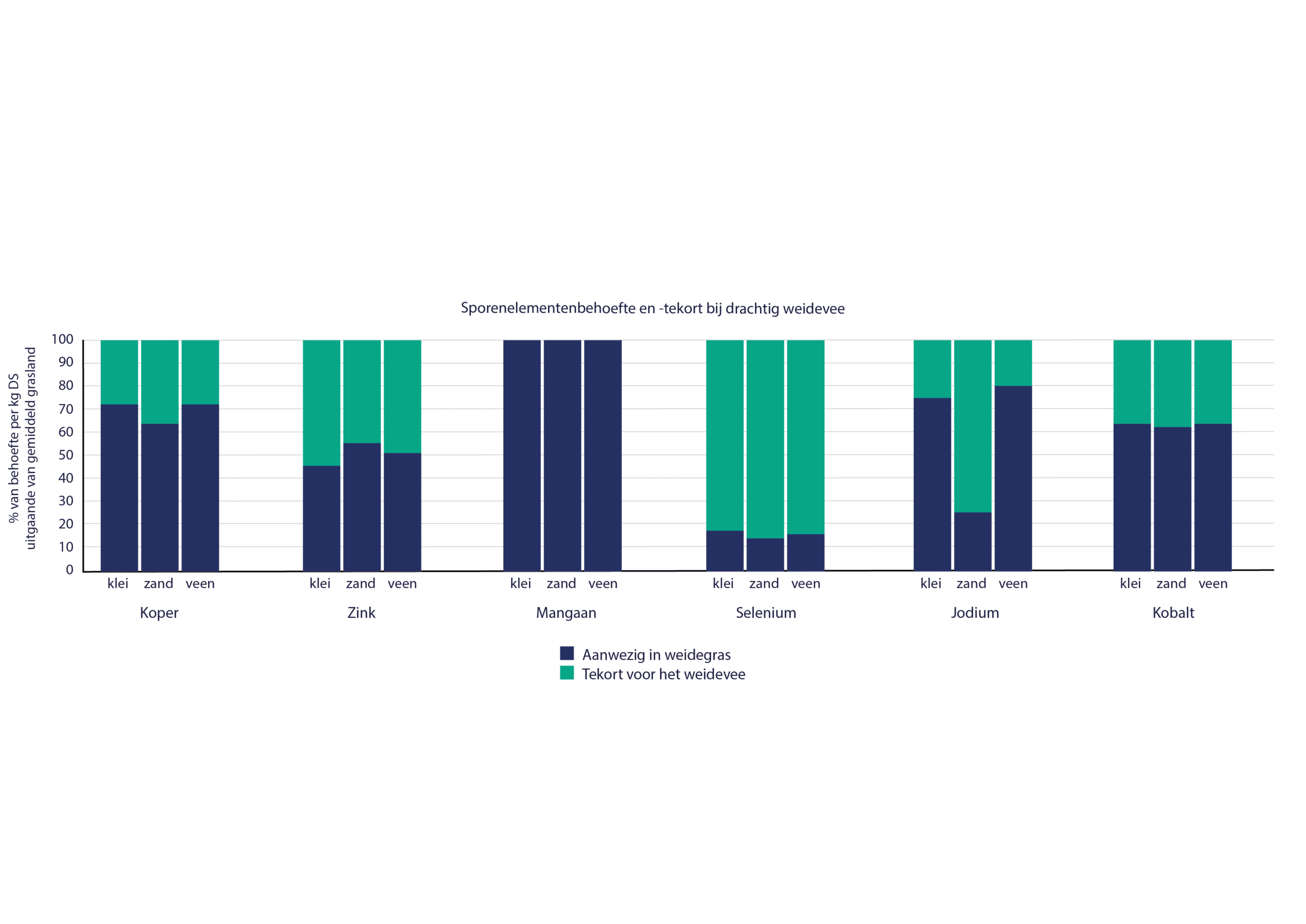
Grazed grass does not always contain enough trace elements. Selenium, copper, zinc, cobalt and iodine in particular are regularly too low, see graph 1. On top of that, levels vary with soil type, cut and weather, and uptake can be inhibited by antagonists such as molybdenum. Stricter fertilisation rules can increase this risk further.
Practical steering: secure the intake, not just the supply
In practice, you can choose long-acting mineral supplementation before turnout, so you do not depend on variable intake from lick buckets. A mineral bolus secures the intake
per animal. An Opti Trace bolus, for example, can supply iodine, cobalt, copper, manganese, zinc and selenium, among others, for about 6 months, and so supports young stock, resistance and fertility in a
period with a rapidly changing ration.
Recognise signs at animal level (and act in time)
Look for signs in several animals in the same group that may point to
trace element deficiencies:
• Calves around weaning (3-4 months):
slower growth, lower resistance, less appetite,
skin and coat problems.
• Young heifers around insemination (12-15 months):
lagging growth, more often ill, less
visible heat, hard to get in calf or many
repeat breeders.
• Heavily pregnant heifers and dry
cows: more inflammations, weaker calves
(or stillbirths), more udder problems shortly after
calving.
If you see this picture in several groups of animals, it is sensible to check the trace element status through (blood) testing. Especially with (almost) full grazing (with little or no concentrate), a bolus is a practical way to keep the supply stable without daily handling.