 EN
 NL
Guide · Energy
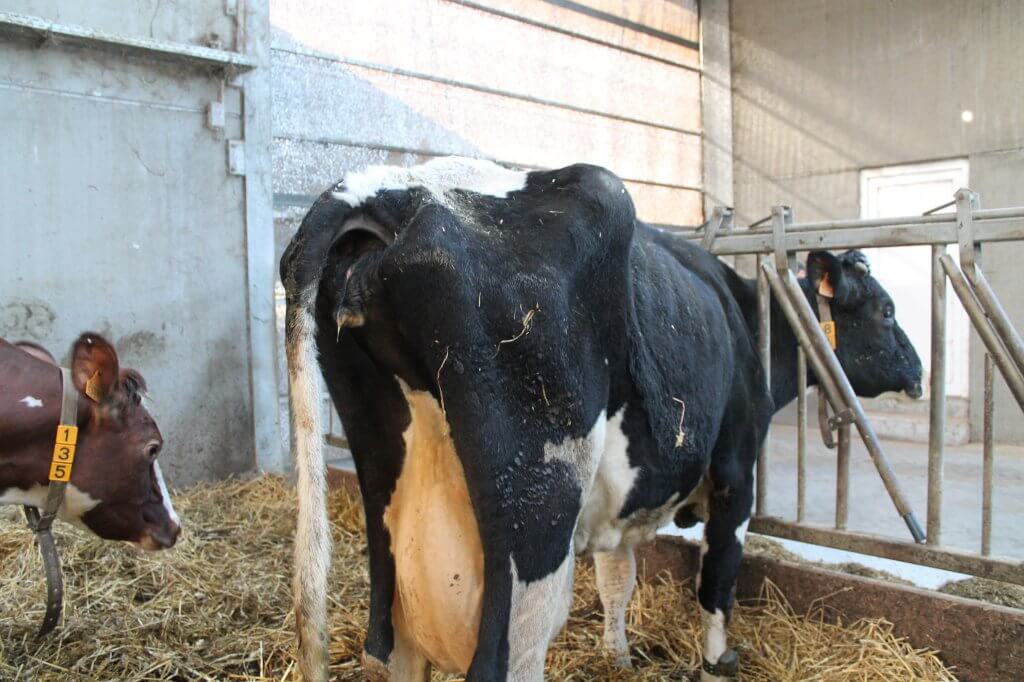
Ketosis causes major expenses
It is a common ailment in dairy cattle: ketosis, also referred to as acetonemia. Research has shown that in the first two…


In short
The part of a feed that remains once the water has been removed, the basis of every ration calculation.
Every feed consists of water and dry matter. Dry matter, abbreviated DM, is the part that remains after complete drying. The dry matter holds all the nutrients: energy, protein, fat, fibre and minerals.
Feeds contain very different amounts of water. A kilo of fresh grass silage supplies far fewer nutrients than a kilo of hay. To compare feeds, nutrient contents are given in grams or MJ per kg of dry matter. A cow’s feed intake is also calculated in kg DM.
Approximate dry matter contents:
The DM content of silage varies from clamp to clamp and even within one clamp, so it pays to measure it regularly. A silage with 30 instead of 35 per cent DM means that the cows get noticeably fewer nutrients from the same fresh weight.
A laboratory feed analysis gives exact values. On the farm you can also determine the DM content yourself. You weigh a sample, dry it in a microwave or a dedicated feed dryer until the weight no longer changes, and weigh it again. The remaining weight divided by the starting weight gives the DM share.
Dry matter intake is the most important figure in feeding, because it limits how much energy the cow gets. Guide values:
In the days before calving, dry matter intake drops naturally. After calving it rises more slowly than milk yield. This is what causes the negative energy balance. Read more in Ketosis causes major expenses.
The DM content of the finished ration matters too. A TMR with about 40 to 50 per cent dry matter is eaten well. If it is too dry, cows sort it more easily. If it is too wet, intake falls. When a dry ration is moistened with water, the concentrate sticks better to the fibre.
In colostrum and calf milk, dry matter is also a measure of quality. The Brix value of colostrum estimates its dry matter content. Good colostrum is above 25 per cent DM. Milk replacer for an intensive feeding plan is often mixed at about 15 per cent DM. Read more in Colostrum management; for the right start!.
A ration is often calculated once with laboratory DM values and then mixed the same way for months. When the silage changes at the face or rain falls on the open clamp, the ration is no longer right. A weekly DM check of the main silages keeps the ration more accurate.
DM stands for dry matter: the part of the feed without water.
In the first 60 days of lactation about 2.5 to 2.8 kg per 100 kg body weight. High-yielding cows later often eat more than 23 kg a day.
Weigh a sample, dry it in a microwave or feed dryer until the weight stays the same, and weigh it again. The remaining weight divided by the starting weight gives the DM share.
It is a common ailment in dairy cattle: ketosis, also referred to as acetonemia. Research has shown that in the first two…

Calf rearing aspects have major direct and indirect influences on mortality and development of the young calf. Nutrition, housing, hygiene, and subsequently…
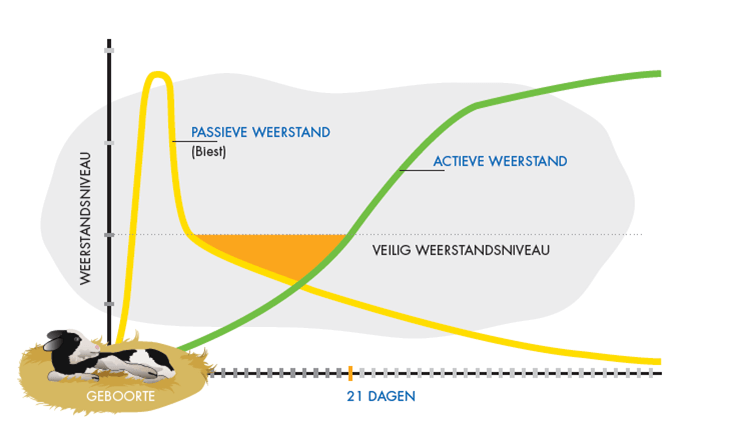
Yes! Colostrum management is an essential factor for a good start of calf rearing. Timing, amount, and quality may have a huge…
Discover our new magazine “Farming Forward”, formerly known as “Cow Programme”. We have also added topics such as hoof care, hygiene and daily farm supplies.
Read the magazine

Cart

Your cart is empty.