 EN
 NL
Guide · Calves
Intestinal problems in young calves
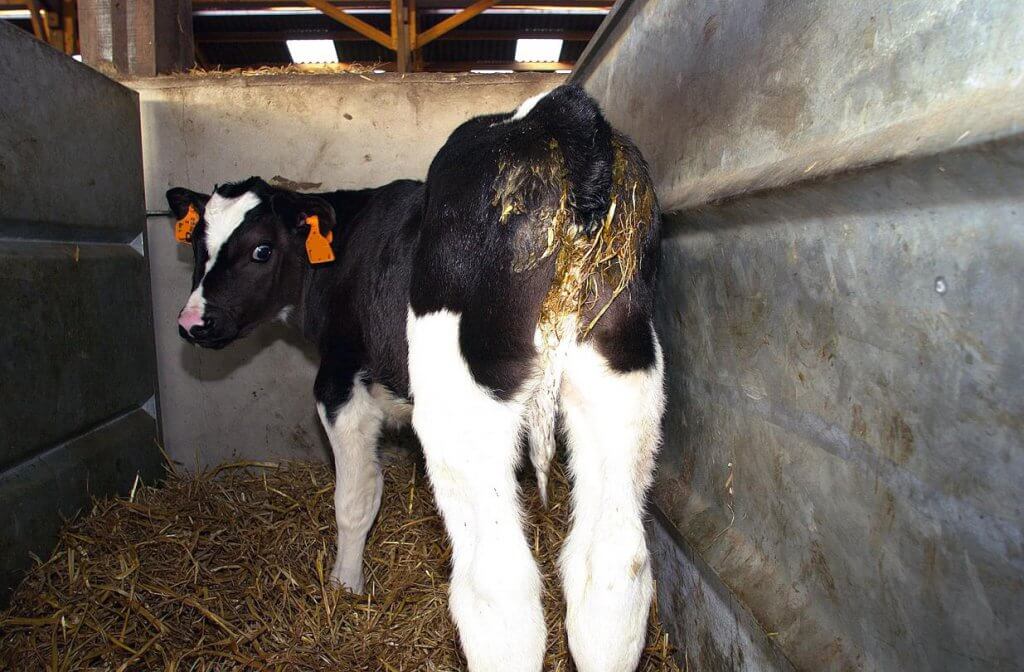
In young calves, a disturbed fluid balance at gut level is one of the main health issues. Intestinal problems are often caused…


In short
Powder made from milk and other ingredients that is mixed with water to replace whole milk in calf feeding.
Milk replacer, or CMR for short, replaces whole milk in calf rearing. It comes as a powder and is mixed with warm water. Many farms use it because the whole milk can then be sold and the replacer has a consistent composition. Others feed whole milk and enrich it with a supplement.
Milk replacer comes after colostrum. In the first days of life the calf gets colostrum and then transition milk. Only then does it switch to milk replacer or whole milk.
The label lists crude protein and crude fat. For young calves, replacers with a high milk content are easier to digest, because the calf uses plant protein less well in the first weeks.
Stick to the mixing ratio on the pack. Milk replacer that is too thin supplies too little energy, while milk replacer that is too concentrated puts strain on the gut. For intensive feeding, milk replacer is often mixed at about 15 percent dry matter, so fairly concentrated. Weigh the powder instead of measuring it by eye.
The feeding temperature should be between 35 and 40 °C. Milk that is too cold is a common non-infectious cause of diarrhoea, as is a wrong mixing ratio or a sudden change of product.
Calves used to be fed restricted amounts so that they would start eating concentrates early. We now know that intensive milk feeding increases later milk yield. In the first three weeks calves can drink ad libitum, often 10 to 14 litres a day. After that the amount is reduced slowly while intake of calf starter and hay goes up. The aim is at least 800 grams of daily gain before weaning. Read more in Metabolic programming of calves.
Milk is a good breeding ground for bacteria. Clean buckets, teats and automatic calf feeders after every feed, first with an alkaline cleaner to remove fat and protein, and regularly with an acid cleaner to remove limescale. Damaged teats with too large a hole make the calf drink too fast, so milk runs into the rumen instead of the abomasum. Teat buckets or automatic feeders with a teat are better than an open bucket, because the suckling reflex closes the oesophageal groove.
Calves with diarrhoea should keep getting their milk or milk replacer, otherwise they run short of energy. Electrolyte drinks are given between milk feeds, not instead of the milk. Read more in Calf diarrhoea? 5 steps to stay ahead of leaky gut.
Do not change product abruptly. Mix the old and new product over a few days. For weaning, the amount of milk is reduced step by step over two to three weeks. The calf should then eat at least 1.5 to 2 kg of calf starter a day, otherwise growth drops.
The milk should be 35 to 40 °C. Milk that is too cold can cause diarrhoea.
Both can work well. Milk replacer has a consistent composition, whole milk is very easy to digest. Sufficient amounts, the right temperature and hygiene matter more.
In the first weeks often 8 to 12 litres of milk a day or more, so that the calf gains at least 800 grams a day. Stick to the manufacturer's mixing ratio.
In young calves, a disturbed fluid balance at gut level is one of the main health issues. Intestinal problems are often caused…

Calf rearing aspects have major direct and indirect influences on mortality and development of the young calf. Nutrition, housing, hygiene, and subsequently…

Winter is making itself felt, cold days and nights with high humidity lower the perceived temperature. Calves notice this too. Calves generally…
Discover our new magazine “Farming Forward”, formerly known as “Cow Programme”. We have also added topics such as hoof care, hygiene and daily farm supplies.
Read the magazine

Cart

Your cart is empty.