 EN
 NL
Guide · Udder
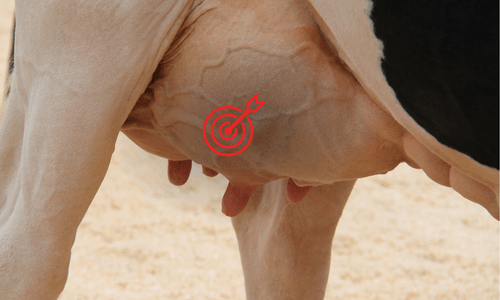
Mastitis in cows: how to recognise it, its causes and what you can do yourself
Mastitis is the most expensive disease on a dairy farm. A clinical case easily costs 300 to 500 euros through lost milk,…


At a glance
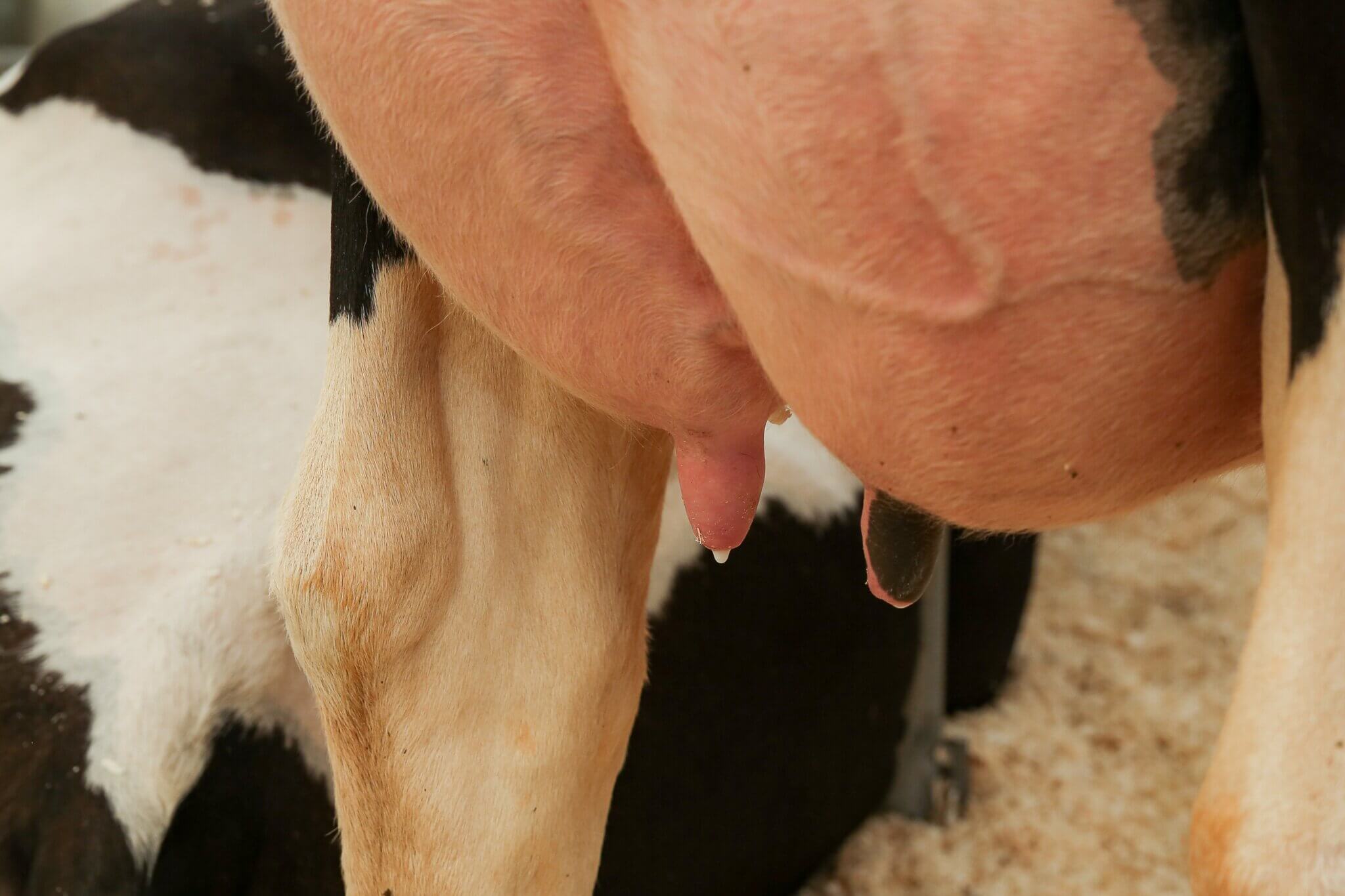
A bulk tank cell count that climbs from 150,000 to 280,000. A milk recording report with eight cows above 250,000. Or an old cow who sits at 900,000 every month and drags the rest up with her. Every dairy farmer knows this, and the first reflex is often: dry off with antibiotics or put a tube into the quarter. That is not always necessary and not always allowed. This step-by-step plan shows how you can lower the cell count permanently through management, and where a garlic bolus fits into this plan.
The cell count includes dead epithelial cells from the udder and the white blood cells per millilitre of milk. It is the udder’s defence reaction to an infection.
A cow with 300,000 cells gives about 5 percent less milk than a healthy cow. At a cell count of 1,000,000 it is 15 to 20 percent. So the cell count costs money every day, even if you see nothing of it.
A bulk tank cell count is an average. A few cows with a very high cell count often determine the whole picture. Take the milk recording report and sort by cell count. Calculate for each cow her share of the bulk tank cell count: cows with a lot of milk and a high cell count weigh the most. Often 5 to 10 percent of the cows are responsible for more than half of the cells in the tank.
With a robot: use the conductivity alerts per quarter. A rise of more than 30 percent compared with the cow’s own average is a new case.
Without milk recording: do a CMT test on all cows at one milking. That costs an hour and a bottle of test fluid.
Have a bacteriological test done on the 5 to 10 cows with the highest values. Sterile sample per quarter, off to the lab, result after a few days. The answer determines the approach:
Without this result you are treating blind. With this result you know where the leak is. Read more about the routes of infection in Recognising udder inflammation in cows.
With cow-associated pathogens:
With environmental pathogens:
The dry period is the only time when an infected quarter can recover without loss of milk. In the Netherlands, preventive drying off with antibiotics has been banned since 2014; in Germany it has been subject to strict conditions since the TÄHAV of 2018. Selective drying off works like this:
For a cow with a rising cell count, extra support can help. It does not replace the steps above. It complements them, so that you can act in time.
Stabilised garlic compounds such as PTS and PTSO have been tested in laboratory studies for their effect against various bacteria. These substances can be released gradually in the rumen via a bolus, over 3 days for short support or over 21 days for longer support. Why stabilised compounds matter here is explained in How does the garlic bolus work?
In a field trial with Van Hall Larenstein University of Applied Sciences (2021), 12 cows on 5 robot farms received a stabilised garlic bolus as soon as conductivity rose. In the two weeks after, conductivity fell by 17 percent on average and milk yield rose by 12 percent. Three cows still needed antibiotics. The number of animals was too small for statistical significance. You can find the full set-up and the graphs in the report: Reducing conductivity with a garlic bolus.
A practical routine for rising conductivity or an increased cell count:
A cow with a deficiency of selenium, vitamin E, zinc or copper has a slower immune response in the udder. Check the mineral supply, especially in the dry period and around calving. A mineral bolus made specifically for the dry period is a good way to support the mineral supply of dry cows. Heat stress above 22 °C measurably increases the cell count; fans and water at the feed fence are no luxury in summer (more on this in As the heat rises, so do cell counts). A negative energy balance after calving weakens immunity in exactly the phase in which most new infections arise.
There is no home remedy that removes a bacterial infection in the udder. What works is the combination: milking out more often, clean cubicles, dipping and supporting immunity. For a garlic bolus with stabilised compounds there are measured values from the field trial above. Why a homemade bolus does not do the same, you can read in Make a garlic bolus yourself or buy one ready-made?
You can, but it is expensive and not targeted. Give the bolus to the cows whose values are rising, and tackle the source in the rest of the herd.
Think in months, not days. If you cull chronic cows and improve milking hygiene, the bulk tank cell count can fall within 4 to 8 weeks. Preventing new infections through better cubicle hygiene and good dry period management often takes one to two lactations. With a consistent approach, the bulk tank cell count can stay stable below 150,000 in the long term.
With a subclinical case without signs of illness: support for two weeks and then reassess. With clots, fever or a hard, painful quarter: the same day.
Mastitis is the most expensive disease on a dairy farm. A clinical case easily costs 300 to 500 euros through lost milk,…
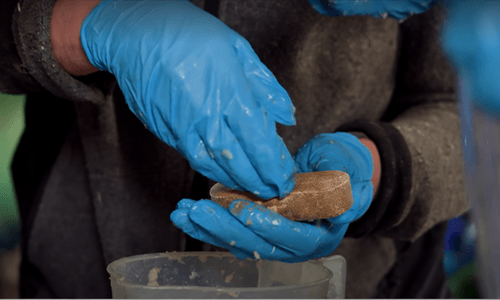
Almost every month, a few hundred dairy farmers in Germany search for "make a garlic bolus yourself". The question makes sense. Garlic…
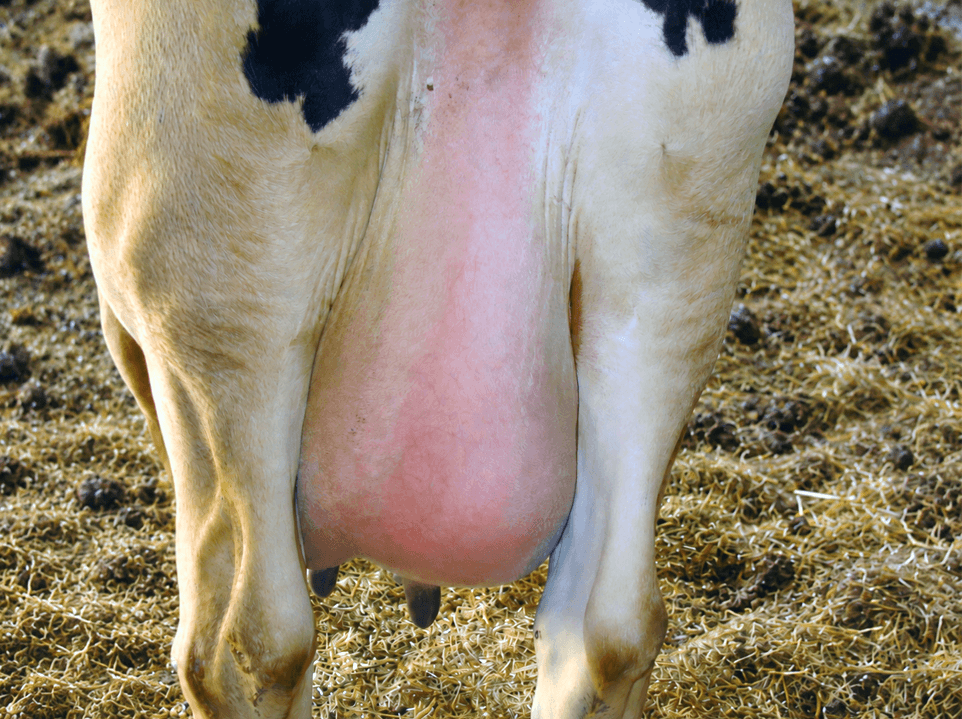
A heifer whose udder stands tight and shiny a week before calving, with a thick ridge of fluid in front of the…
Discover our new magazine “Farming Forward”, formerly known as “Cow Programme”. We have also added topics such as hoof care, hygiene and daily farm supplies.
Read the magazine

Cart

Your cart is empty.