 EN
 NL
Guide · Udder
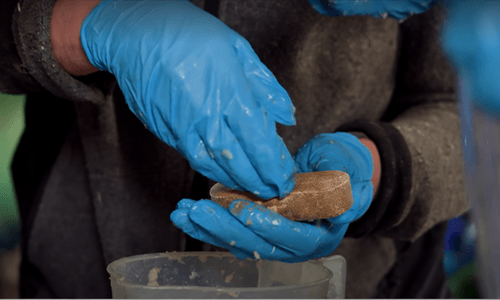
Make a garlic bolus yourself or buy one ready-made? The differences at a glance
Almost every month, a few hundred dairy farmers in Germany search for "make a garlic bolus yourself". The question makes sense. Garlic…


At a glance
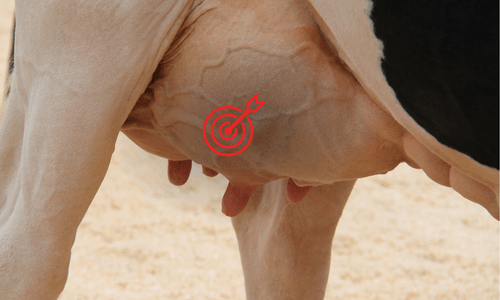
Mastitis is the most expensive disease on a dairy farm. A clinical case easily costs 300 to 500 euros through lost milk, treatment, discarded milk and extra work. You never see a large share of the cases: the cow is not ill, the milk looks normal, but the cell count rises and the udder does not produce at its best. In this article you will read how to recognise mastitis, what causes it and what you can do yourself to support the cow. Even without reaching straight for antibiotics.
Mastitis is an inflammation of the udder tissue, almost always caused by bacteria that enter through the teat canal. The most common pathogens are Staphylococcus aureus, Streptococcus uberis and E. coli (Escherichia coli). The cow’s immune system responds by sending white blood cells into the milk. That is the cell count you find in your milk recording report.
There are two forms:
The sooner you step in, the better the chance that the quarter recovers fully. Watch for:
A California Mastitis Test (CMT) shows you simply and quickly, within ten seconds, which quarter may have a raised cell count.
Mastitis is usually caused by bacteria that enter the udder. A distinction is made between cow-associated and environmental pathogens. Both can cause mastitis, but the source of infection and the approach differ.
Cow-associated pathogens such as Staphylococcus aureus spread mainly from cow to cow during milking. An infected cow is the most important source of infection. So pay attention to:
Environmental pathogens such as E. coli and Streptococcus uberis are found mainly in manure, bedding and the cow’s immediate surroundings. They can enter the udder through the teat canal. So pay attention to:
If problems keep coming back, have a bacteriological examination done. Then you know whether you are dealing with a cow-associated or an environmental pathogen and what to focus your approach on.
With mild clinical mastitis or a rising cell count without signs of illness, you have room to support the cow first and see how she responds. What has proven itself in practice:
In a field trial with Van Hall Larenstein University of Applied Sciences (2021, 12 cows on 5 farms with milking robots), cows received a stabilised garlic bolus as soon as the robot reported rising conductivity. In the two weeks that followed, conductivity fell by 17 percent on average and milk yield rose by 12 percent. The number of animals was too small for statistical significance, but the direction was the same on all farms. You can read the full report here: Reducing conductivity with a garlic bolus.
Scientific studies also show positive results. In a study from 2023, 16 cows with subclinical mastitis received a garlic bolus with allicin and an anti-inflammatory. After 14 days these cows had lower conductivity and a higher average milk yield than cows that received antibiotics and an anti-inflammatory. In the garlic group the cell count also fell. The results point to the supporting effect of garlic extract on udder health. To the study: Sensor-Generated Data for Evaluation of Subclinical Mastitis Treatment Effectiveness with Garlic Extract (Allicin) in Dairy Cattle (2023).
Most farms with a consistently low cell count do nothing special. They do the ordinary things the same way every day: clean, dry udders when attaching the cluster, dipping straight after removal, changing liners on time, cleaning cubicles twice a day, going through the milk recording report cow by cow every month and acting at the first rise. A garlic bolus fits into this routine as a first step when conductivity rises. Our article Lowering a high cell count without antibiotics shows you how to go about this step by step.
With a mild or subclinical form, some cows recover with more frequent stripping, support and good hygiene. With fever, signs of illness or certain pathogens (S. aureus), treatment by the vet is necessary.
Release starts directly after it reaches the rumen. There are stabilised garlic boluses with release over 3 days and over 3 weeks. In the field trial, conductivity fell from the day after the bolus was given.
Yes. The bolus is a complementary feed, not a medicine. There is no withdrawal period. Thanks to the stabilised substances, no garlic smell gets into the milk. Why a homemade bolus does differently here, you can read in Make a garlic bolus yourself or buy one ready-made?
Most farms give the bolus when there is a measurable change: flakes, conductivity or cell count. Around calving or when the cow’s wellbeing is reduced, the bolus is also given for support.
Usually not. A tense, cool udder without flakes in the milk is more likely udder oedema. How to tell the two apart, you can read in Udder oedema in cows.
Almost every month, a few hundred dairy farmers in Germany search for "make a garlic bolus yourself". The question makes sense. Garlic…
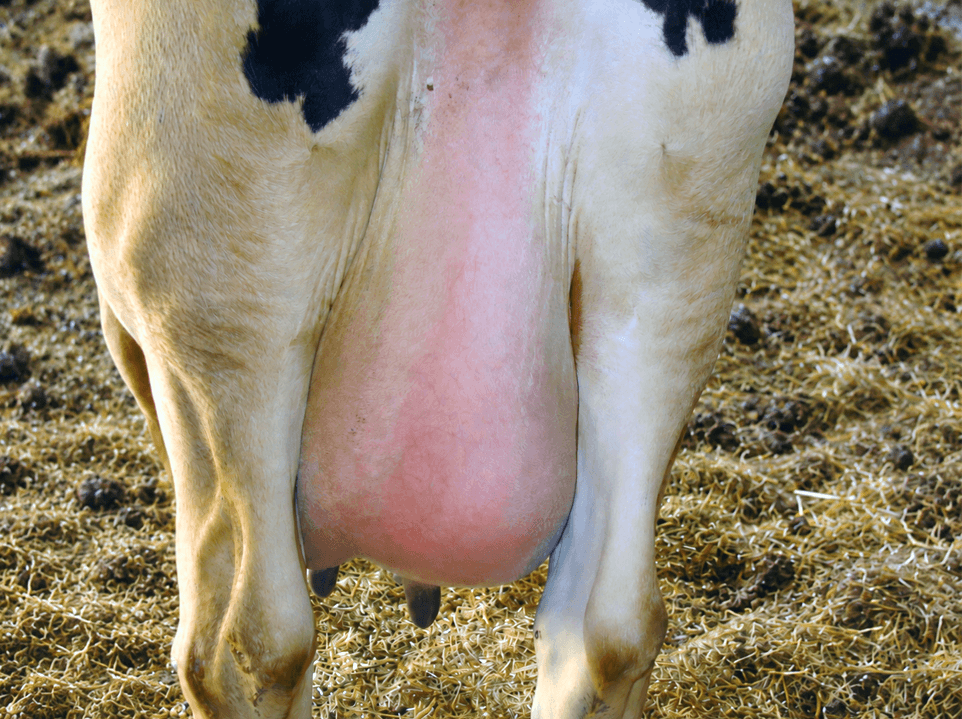
A heifer whose udder stands tight and shiny a week before calving, with a thick ridge of fluid in front of the…
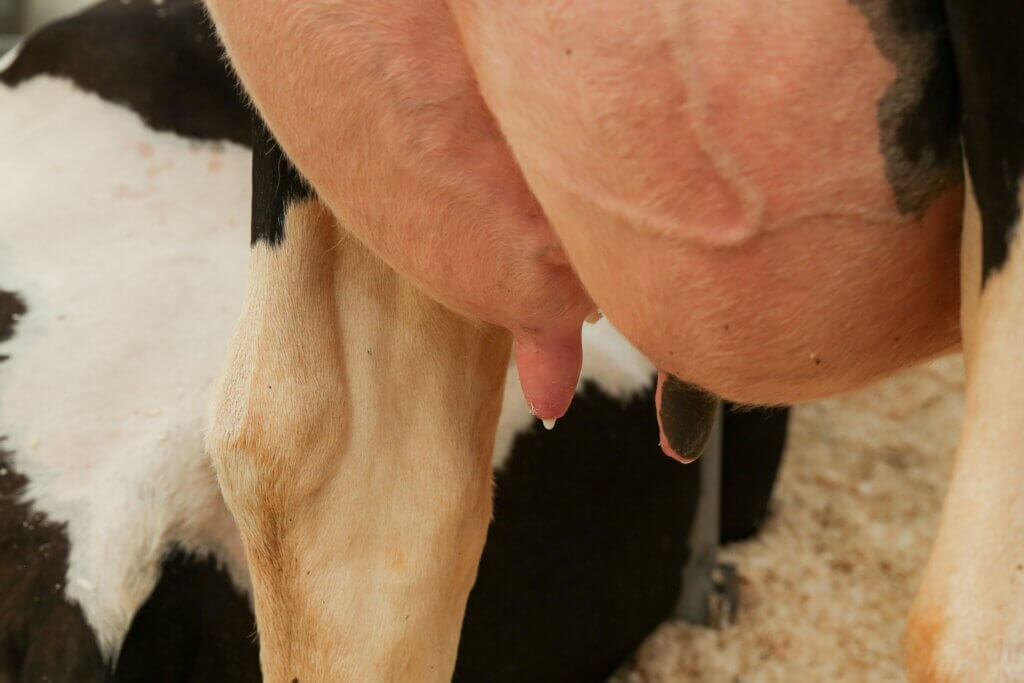
A bulk tank cell count that climbs from 150,000 to 280,000. A milk recording report with eight cows above 250,000. Or an…
Discover our new magazine “Farming Forward”, formerly known as “Cow Programme”. We have also added topics such as hoof care, hygiene and daily farm supplies.
Read the magazine

Cart

Your cart is empty.