 EN
 NL

Guide · Minerals
Grazing season has started: watch out for mineral deficiencies
In general, cattle on full grazing, cattle grazing in nature reserves and dairy cows that are not fed concentrates or extra minerals…


In short
Minerals that cattle need only in milligram amounts, such as copper, zinc, selenium, manganese, cobalt and iodine.
Minerals are split into two groups. Macro minerals such as calcium, phosphorus, magnesium, sodium and potassium are needed by the cow in grams per day. Trace elements are needed only in milligrams. Despite the small amounts, the cow cannot do without them, because they are building blocks of many enzymes and hormones.
The content in forage varies widely with soil, fertilisation, cutting date and weather. Many soils in the Netherlands and Germany are low in selenium. Grazed grass often contains too little selenium, copper, zinc, cobalt and iodine. When concentrate is dropped at grazing, its mineral content goes too. You can read more in Grazing: keep a close eye on minerals.
Trace elements also affect each other. Molybdenum, sulphur and iron bind copper, so the cow absorbs less of it, even though the ration contains enough on paper. Organically bound trace elements, such as chelates, are partly absorbed better than inorganic salts.
Supply is often underestimated in the dry period in particular. Dry cows are often given leftover feed or lower quality forage. During this time the calf grows fastest and builds up reserves through the placenta, for example in the liver. The cow’s supply also affects colostrum quality. You can read more in Better calves through optimal nutrition in the dry period.
A trace element deficiency rarely shows as a single symptom. Typical are signs in several animals in a group:
If several groups of animals stand out, a blood test on a few animals is worthwhile. For copper, the liver gives a more accurate picture, as blood often shows a deficiency only late.
Too much is harmful as well. Selenium and copper are toxic in high amounts, and sheep are especially sensitive to copper. Add up all sources before you supplement any further.
Mainly copper, zinc, manganese, selenium, cobalt and iodine, plus small amounts of iron and molybdenum.
Usually from signs in several animals: poor growth and coat in calves, weak heats in heifers, more retained placentas and udder problems. A blood test gives a clear answer.
Yes. Both are toxic in high amounts. Add up mineral feed, concentrate and any other supplements.
In general, cattle on full grazing, cattle grazing in nature reserves and dairy cows that are not fed concentrates or extra minerals…
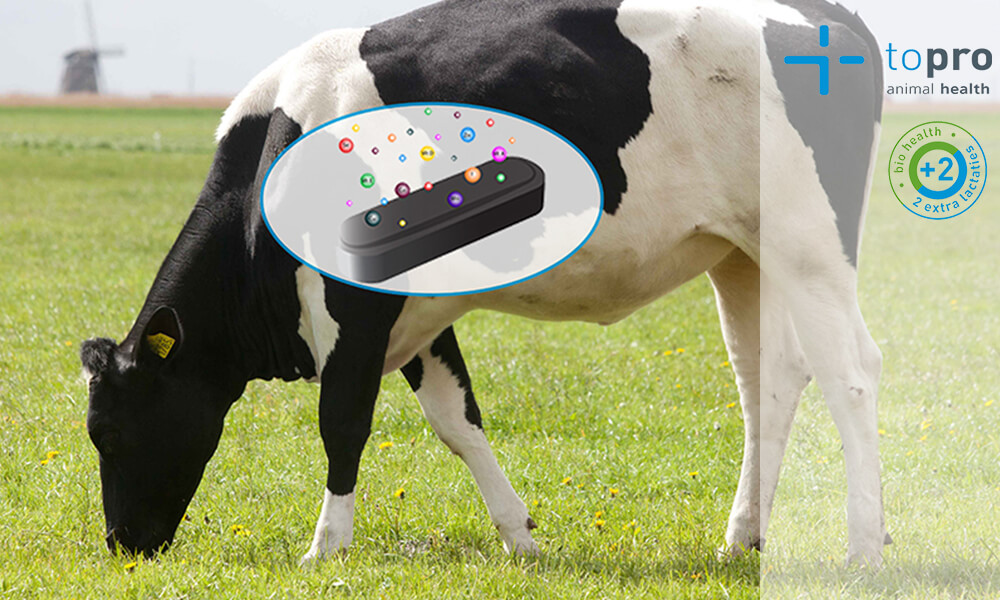
Modern grassland is on average short of essential trace elements such as copper, selenium and cobalt. The uptake of trace elements also…
Modern pasture grass is generally deficient in essential trace elements, like copper, selenium and cobalt. Also, the uptake of trace elements depends…
Discover our new magazine “Farming Forward”, formerly known as “Cow Programme”. We have also added topics such as hoof care, hygiene and daily farm supplies.
Read the magazine

Cart

Your cart is empty.