
 EN
EN  NL
NL 

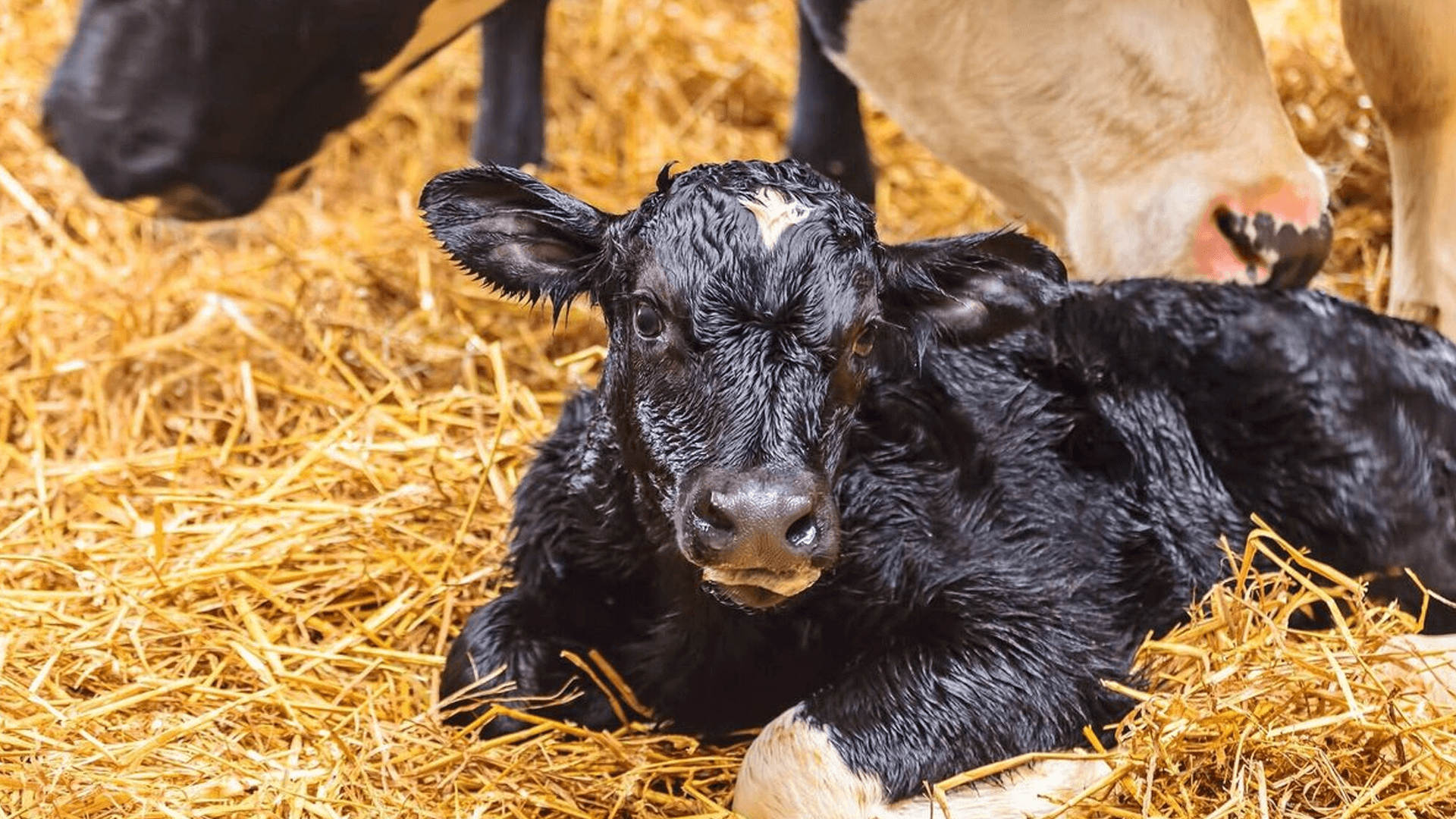
For a long time, genetics was seen as the strongest factor in determining the maximum growth potential of calves. Now we know that the genetic potential is not used to the full if calves are reared only moderately well. There is a direct relationship between how calves are reared and the lifetime production of the later dairy cow. So the better we handle these young animals, the longer the lifespan of the future dairy cows will be.
On average as much as 40% of the genetic potential goes unused, because we do not rear our heifer calves optimally.
Recent research shows that the genetic potential is used better when we feed calves better and make sure they do not get sick in the first weeks of life. These calves grow faster in the first weeks. The expression of the genes, meaning how a calf develops, is strongly influenced by the quality and quantity of feed and the absence of disease. This process is also called epigenetics or metabolic programming. Metabolic programming works most effectively in an unborn calf and in the first 8 weeks of a calf’s life.
Improved udder development
The development of udder tissue is essential for the future productivity of the cow. A 2005 study by Brown et al. found convincing evidence that calf growth in the first eight weeks of life is a key factor in stimulating udder quality in calves and heifers. A feeding schedule in the milk feeding period that achieves a high average daily gain (more than 850 grams of growth in a calf’s milk feeding period) results in optimal development.
So genetics matter, but don’t forget to make use of that genetic potential.
Did you know:
How dry cows are fed affects the development and potential of the calf. Want to know more? Then read the article ‘better calves through optimal feeding in the dry period’.
Effects of moderate management in calves
Healthy calves, that is what it is all about. Only healthy calves can grow fast and make the most of their genetic potential.
The diagram below shows which factors affect the health of a calf and how they relate to each other. Correct colostrum management, a sound feeding schedule, good hygiene around the calf and optimal housing are the main factors.

∆ = increasing/positive effect ∇= decreasing/negative effect
The main topics in calf rearing and how they relate to each other.


