 EN
 NL
Guide · Calves
Feeding milk to calves after the colostrum period: how to make every feed the same
Milk replacer or whole milk: after colostrum, small differences in strength, temperature and hygiene add up. Here is how to make every…


In this period with relatively cold and damp weather, dairy farmers need to keep a close eye on the health of their calves. You know the picture: coughing calves. While the first calves are being treated, the next one starts coughing. The link between damp weather and pneumonia is certainly there, but resistance plays a major role. Strong calves with a good immune system suffer much less from this condition, even during the challenging autumn period.
Pneumonia is still a big problem in calf rearing. On average 25% of calves get pneumonia, and after diarrhoea it is the second cause of calf mortality. Symptoms of a calf with pneumonia are: coughing, runny noses, fever and reduced growth. Pneumonia is not always clearly visible, but it can still lead to large financial losses.
A prevention programme to reduce the number of respiratory infections in the milk feeding period should aim at increasing resistance combined with lowering the infection pressure.
Improving colostrum management is an essential step in strengthening the resistance of calves. Make sure calves receive enough colostrum within 1 hour after birth. 4 litres of colostrum with a Brix value of at least 22 is enough, but a higher Brix value is always better. If the Brix value of the colostrum is too low, the colostrum can be upgraded with Colostrum Mix.
Also be aware that colostrum quality is influenced by the feeding of the dam during the dry period. Supplying the cow with all essential vitamins and trace elements through a Dry Mineral bolus has a positive effect on colostrum quality and also on the calf.
Dare to feed calves more and feed according to a balanced feeding schedule. Make sure calves grow at least 850 grams per day throughout the milk feeding period.
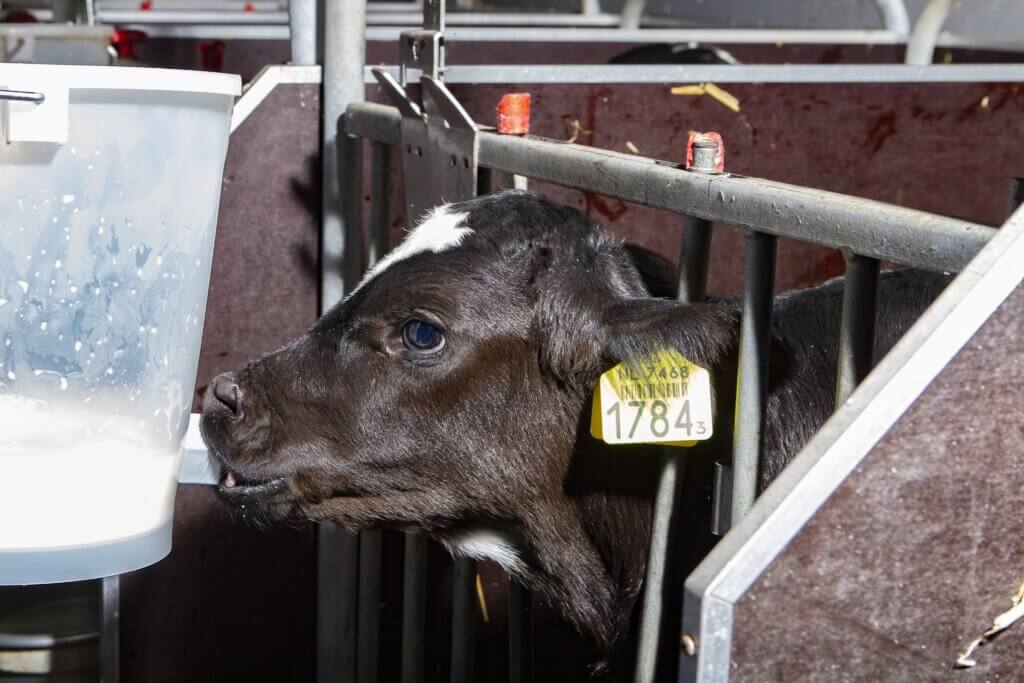
For example, feed the calves at the same time each day, make sure the milk is at the right temperature and make sure the milk is well stirred or has the same concentration. This helps improve the immune system and makes calves better able to resist infections.
If calves are fed only cow’s milk, essential vitamins and minerals need to be added to the milk as a supplement. Topro Milk Boost is a supplement that adds extra trace elements and vitamins to milk, which increases the calf’s resistance and reduces the risk of pneumonia.
Housing and the climate in the barn sound obvious, but they are still often underestimated. Draught is the number 1 cause of pneumonia in calves. So be very critical of the airflow in the barn. At the same time, prevent calves from lying wet; enough straw in the pens is very important here.
Preventing stressful situations reduces the risk of pneumonia. Stressed calves have lower resistance and are therefore more susceptible to infections. So plan dehorning and moving calves to other pens strategically, and make the switch from milk feeding to roughage gradual to keep stress to a minimum. The all-in-all-out system (moving all calves at the same time) with the pens left empty for a while reduces stress and breaks the chain of disease. Topro Bronchi Fit is a good supplement that can be fed around stressful periods. The combination of eucalyptol, mint oil and menthol eases breathing and helps clear the airways by making it easier to remove mucus.
Working hygienically around the calf goes without saying. Several factors help lower the infection pressure, such as a clean calving pen, clean milking equipment, clean calf hutches and disinfecting the navel right after birth.
It is also important not to use a high-pressure washer in the same area where calves are kept. Moving portable calf hutches outside is a simple solution, but it is often not thought of. Cleaning calf hutches with a foam cleaner and a disinfectant keeps bacteria to a minimum and gives new calves a good start in the individual pens.
Getting on top of pneumonia pays off! Investing in calves always pays itself back through healthy and productive cattle.
Want to read more about the step-by-step plan? Read more here.
Milk replacer or whole milk: after colostrum, small differences in strength, temperature and hygiene add up. Here is how to make every…

Choosing the right teats for your calves can be complicated. After all, there are so many teats and systems on the market!…

Winter is making itself felt, cold days and nights with high humidity lower the perceived temperature. Calves notice this too. Calves generally…
Discover our new magazine “Farming Forward”, formerly known as “Cow Programme”. We have also added topics such as hoof care, hygiene and daily farm supplies.
Read the magazine

Cart

Your cart is empty.