EN
EN  NL
NL 

Topro KetoDuo bolus in practice
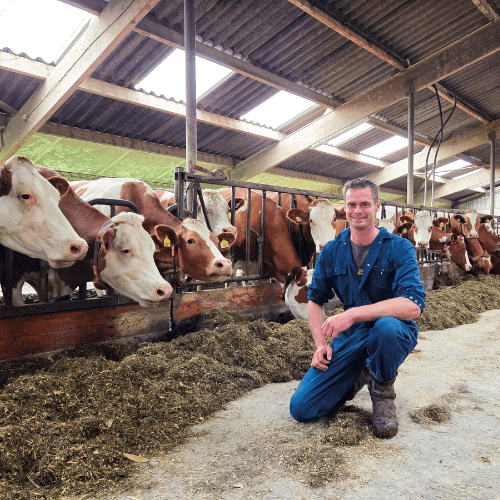
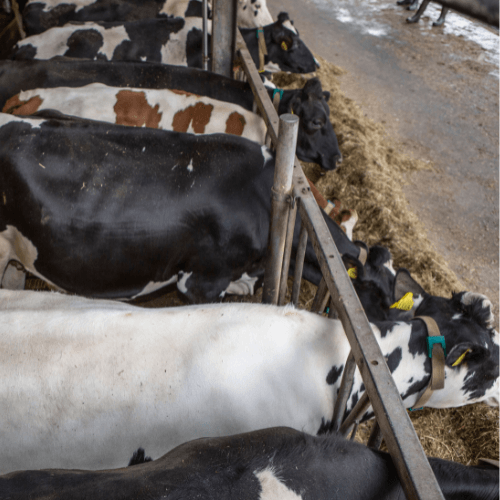
The transition period is the moment when energy supply is under pressure: milk production gets going, hormones fluctuate, and at the same time feed intake often lags behind. You can recognise that energy shortage in cows that “don’t get off to a good start”: less appetite and activity, loss of condition and milk production that falls behind. In robot herds in particular you see this early in the data: eating, visit and activity patterns change before you can see everything from the outside. To see what Topro KetoDuo does in practice, a field trial with 120 cows was carried out on 9 Dutch farms with milking robots.
The animals were divided into three groups:
• Control group: no bolus
• KetoDuo group 1: 2 boluses one week before calving
• KetoDuo group 2: 2 boluses right after calving
Weekly averages for eating behaviour and milk production were collected from the robot systems:

What do we see in the robot data?
The main practical signal from this trial is:
KetoDuo cows kept eating better on average and therefore produced more milk.
• In the first 8 weeks, milk yield was on average about 2 kilos per day higher in the KetoDuo groups than in the control group.
• Eating behaviour (robot registration) was also higher in the KetoDuo groups compared to the control group.
• The differences between the KetoDuo groups were minimal, but the most consistent improvement was seen when given before calving.
What stands out most: you usually don’t see the effect right away on day 1. Only when the first rush around
calving is over and the cow really goes into lactation does the difference become clearer. In this dataset the
difference was largest around week 5 and the advantage remained visible after that.
What does KetoDuo deliver?
If you flatten the energy dip around calving, you more often see a cow that keeps eating better, builds a stable milk curve faster and gets going more quickly. This field trial showed that in concrete terms: the KetoDuo groups produced on average about 2 kg more milk per day than the control group, in line with the higher eating behaviour. KetoDuo showed an effect at both times of administration (before and right after calving), but for the most consistent and best results it is best to give two boluses one week before calving. The earlier study points in the same direction, with indications of a lower BHB value and faster pregnancy

KetoDuo: the “Duo” effect
Liver and rumen support
As the name suggests, the Keto Duo bolus works in two ways. This bolus
supports liver function and stimulates the rumen, which improves the energy balance of
dairy cows. Alongside the Keto Duo bolus, we always also advise giving extra calcium
supplements around calving and feeding extra minerals during the dry period.
Action on the liver
• Niacin: improves the digestion of fats, among other things, so fewer ketones build up.
• Rumen-protected B vitamins (B2, B12): help convert fatty acids, among other things, which takes load off the liver.
• Choline, betaine, methionine: help limit fatty liver and support fat metabolism and detoxification.
• Sorbitol: stimulates the production of bile.
• Plant extracts (including thistle, turmeric, fennel): support and protect the liver.
Action in the rumen
• Propionate: provides fast energy (especially important after calving!).
• Yeast: improves the conversion of feed into energy.
• Cobalt: supports (via the rumen) the production of vitamin B12.
• Niacin and plant extracts (including boldo, artichoke, thistle): support rumen flora, bile production and appetite.
What earlier research also showed (autumn 2024)
An earlier field trial (40 cows) looked mainly at ketosis indicators and later performance. It found that cows without KetoDuo had a higher risk of ketosis in the first week after calving (especially around day 3-4). In week 4, the BHB level in milk was 28% higher in the control group than in the KetoDuo group. In addition, the KetoDuo group got pregnant about 10% faster (around 3 weeks, roughly one cycle).