 EN
 NL
Guide · Calves
Feeding milk to calves after the colostrum period: how to make every feed the same
Milk replacer or whole milk: after colostrum, small differences in strength, temperature and hygiene add up. Here is how to make every…


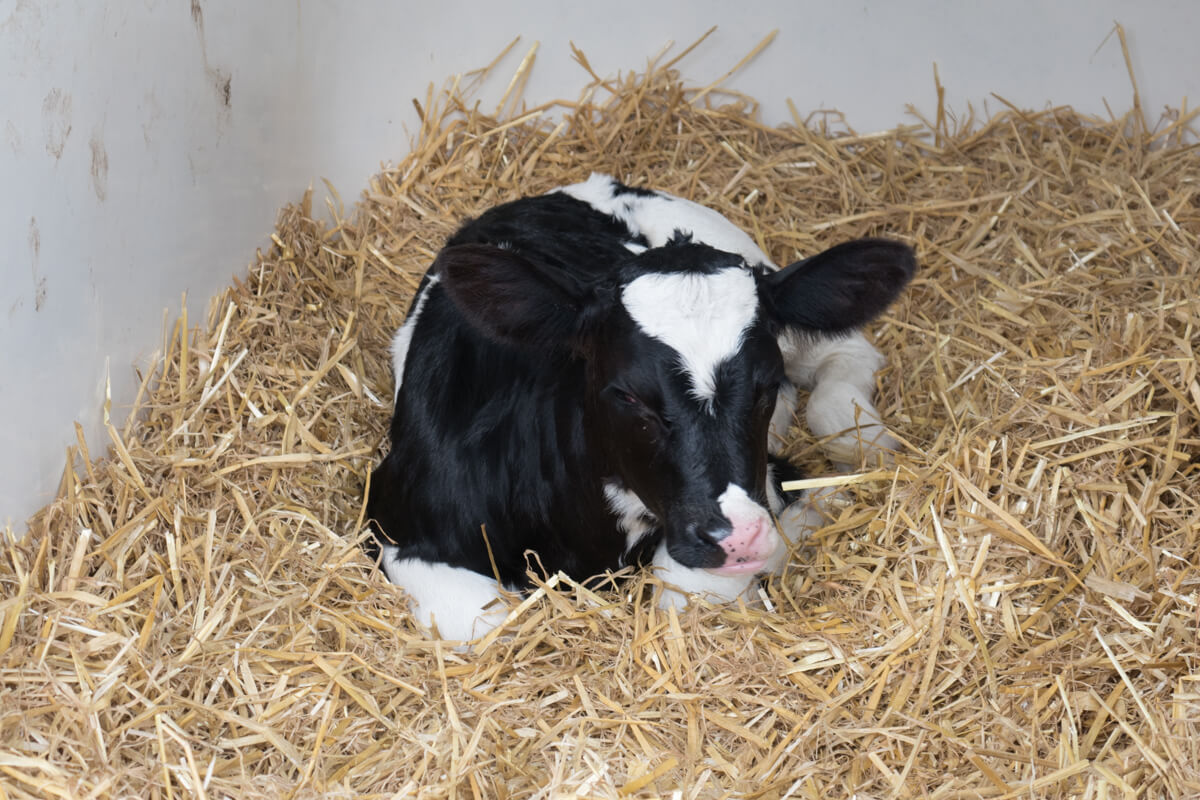
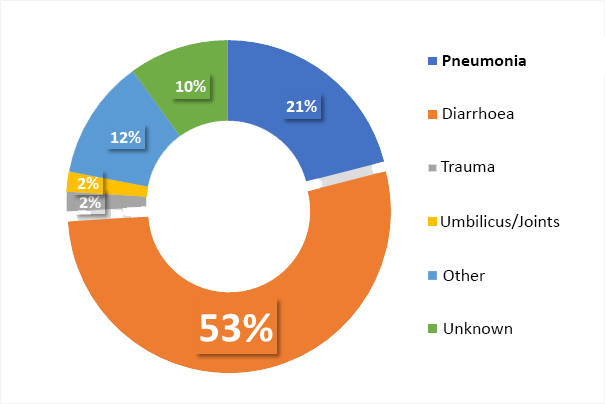
In addition to diarrhea, pneumonia is the second largest cause of calf mortality. Calves that do survive still bring about extra expenses of 150 euros per calf. This amount includes treatment costs, later insemination, and reduced milk yield in the first lactation. Pneumonia in calves may be caused by several pathogens. In many cases, there is a secondary infection involved: viruses often are the ‘gate-way’ for a bacterial infection. A curative treatment with antibiotics is often inevitable, with consequences for the animal-day-dosage status on the farm. Preventive vaccination is possible to combat a number of pathogens that cause respiratory problems.
A prevention programme to reduce the number of respiratory infections in the preweaning phase should be aimed at supporting the immune status, combined with a reduction of the infectious pressure on the farm.
The circumstances may vary greatly between farms. In general:
Avoid stress with your calves:
Milk replacer or whole milk: after colostrum, small differences in strength, temperature and hygiene add up. Here is how to make every…

Choosing the right teats for your calves can be complicated. After all, there are so many teats and systems on the market!…

In this period with relatively cold and damp weather, dairy farmers need to keep a close eye on the health of their…
Discover our new magazine “Farming Forward”, formerly known as “Cow Programme”. We have also added topics such as hoof care, hygiene and daily farm supplies.
Read the magazine

Cart

Your cart is empty.