 EN
 NL
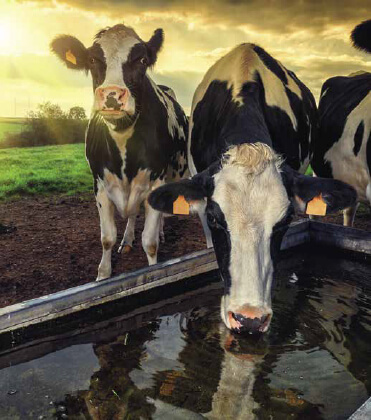
Guide · Heat stress
Heat stress in dairy cattle; prevention is better than cure!
The warmer period of the year is here again; spring and summer. Cows can experience heat stress when the temperature is not…


In short
Feed that complements the ration, with dietetic and mineral feeds as subgroups: not a medicine and no withdrawal period.
On the farm you use many products that look alike at first sight: boluses, drenches, powders, pastes. By law, though, they belong to two separate worlds. Veterinary medicines are meant to cure, relieve or prevent disease. They need a marketing authorisation, many are prescription-only, and after use there is a withdrawal period for milk and meat.
Feeds are for nutrition. They may not claim to cure or prevent a disease. In return they do not need an authorisation like a medicine and have no withdrawal period. The rules are set out in EU feed law, mainly Regulation (EC) No 767/2009.
Many products in the dairy barn are complementary feeds: mineral feed, lick buckets, energy drenches and most boluses.
Dietetic feeds, officially feeds for particular nutritional purposes, are a group of their own. They meet a particular nutritional need that an animal has in a certain phase or situation. The permitted purposes are set out in an EU list, Regulation (EU) 2020/354. For each purpose it lays down:
Examples for cattle are reducing the risk of milk fever, reducing the risk of ketosis and stabilising the water and electrolyte balance in calves. A dietetic feed may state this purpose because it is on the list. It is still a feed and does not treat a disease. That is why the label often advises you to seek the advice of a vet before use or before extending the period of use.
A bolus is a form of administration, not a legal category. There are boluses sold as complementary feed, as dietetic feed and as veterinary medicine. The label tells you which one it is. A garlic bolus sold as complementary feed, for example, has no withdrawal period.
Every feed states its type, for example complementary feed for dairy cows or dietetic feed to reduce the risk of milk fever. It also lists the analytical constituents, such as crude protein, crude ash or calcium, and the additives with their levels. A veterinary medicine, by contrast, carries an authorisation number and the withdrawal period on the pack.
No. Withdrawal periods only apply to veterinary medicines. After a complementary or dietetic feed you can deliver the milk.
A complementary feed adds to the ration. A dietetic feed also serves a particular nutritional purpose from the EU list 2020/354, for example reducing the risk of milk fever.
A complementary feed with at least 40 percent crude ash that mainly supplies macro and trace elements.
The warmer period of the year is here again; spring and summer. Cows can experience heat stress when the temperature is not…

For a growing farm, it is important that the basis is right. That basis starts before the calf is even born, with…
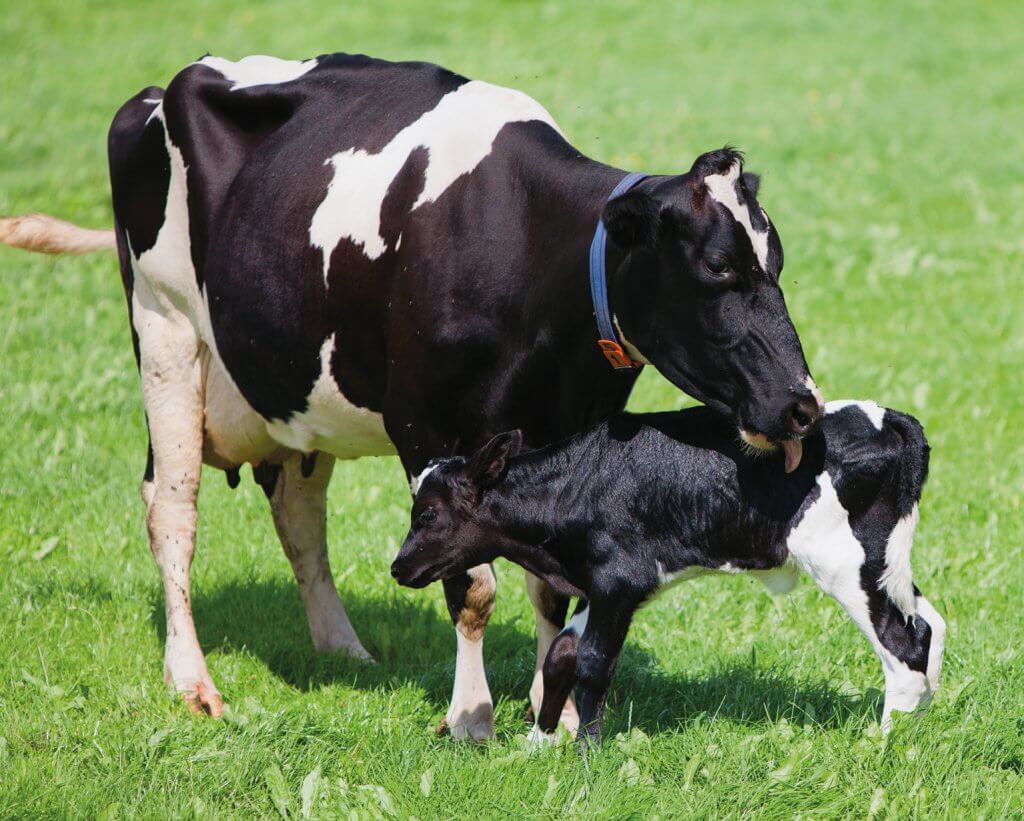
If it is very hot, this can have a negative effect on the fertility of cows. Cows do not show the heat…
Discover our new magazine “Farming Forward”, formerly known as “Cow Programme”. We have also added topics such as hoof care, hygiene and daily farm supplies.
Read the magazine

Cart

Your cart is empty.